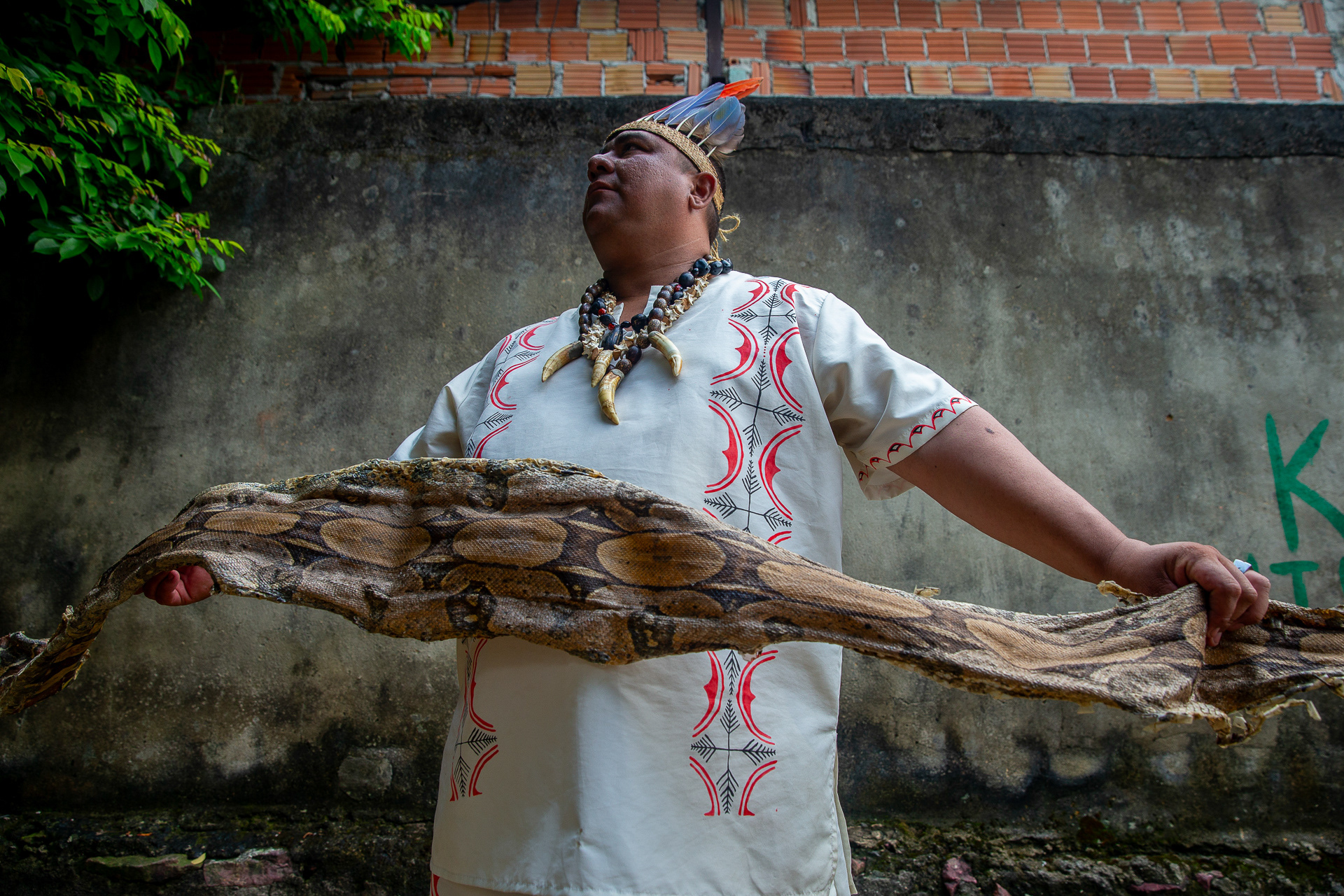
At the head of the Kokama Uirapuru Indigenous Community, located in the Redenção neighborhood of Manaus, Chief Everton Kokama and his wife, Angélica Pankararu, propose a sociocultural space for resistance and voice, creating not only support for the community, a place that aims to maintain ethnic traditions, overcoming difficulties through collaboration and dialogue, together with supporters, friends, and family, gradually strengthening the physical and social structural base of the community, a work of extreme importance in times of political and economic entropy. Photo: La Croix/Suamy Beydoun
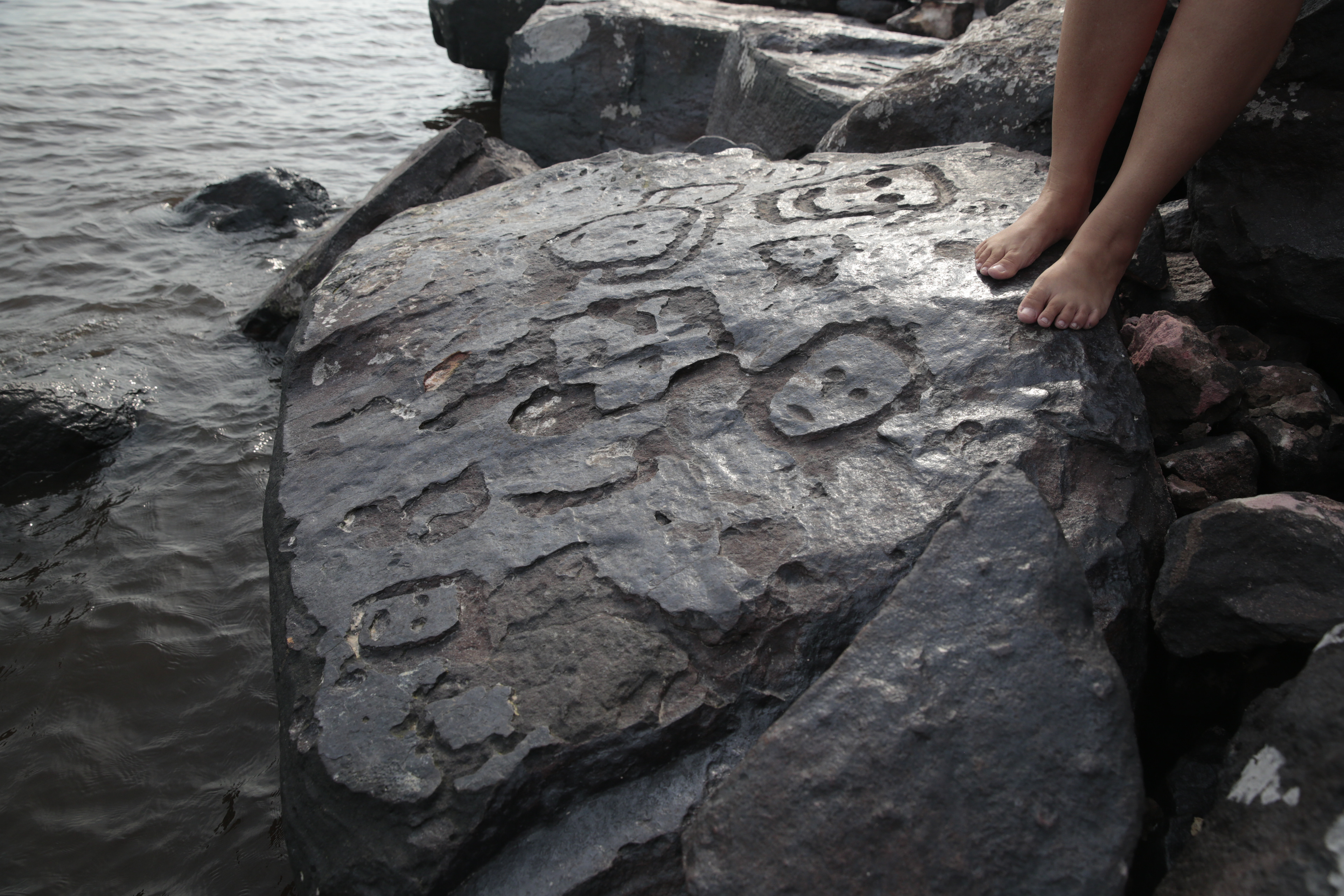
During the record drought of the Rio Negro in the city of Manaus, rock carvings dating back 2,000 years reappeared after 10 years covered by the river. Work done for Reuters. Photo: Reuters/Suamy Beydoun
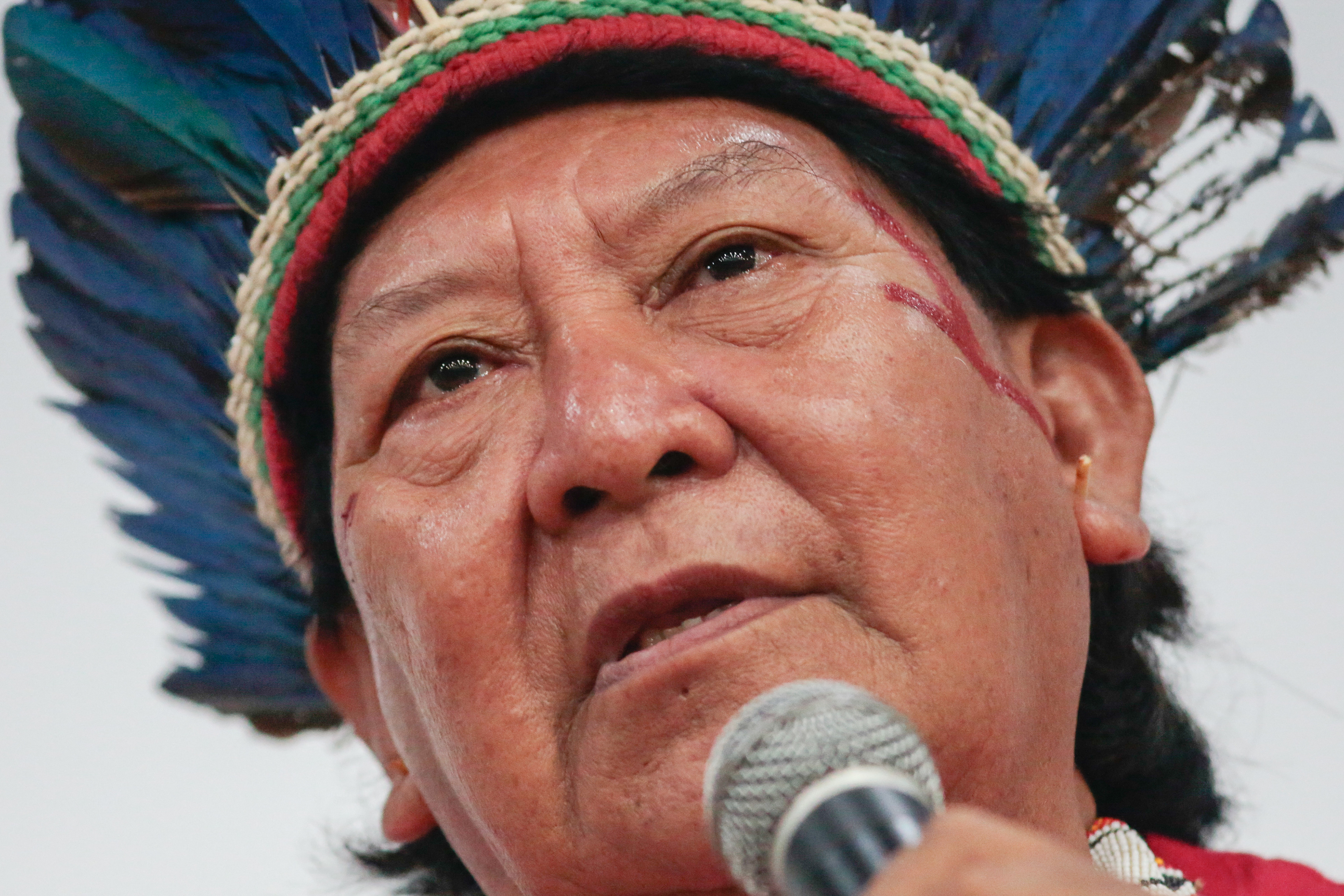
Davi Kopenawa Yanomami, one of today's most internationally recognized indigenous leaders, during an academic event in 2025 at the Federal University of Amazonas (UFAM) campus in Manaus, capital of the state of Amazonas. Photo: AGIF/Suamy Beydoun
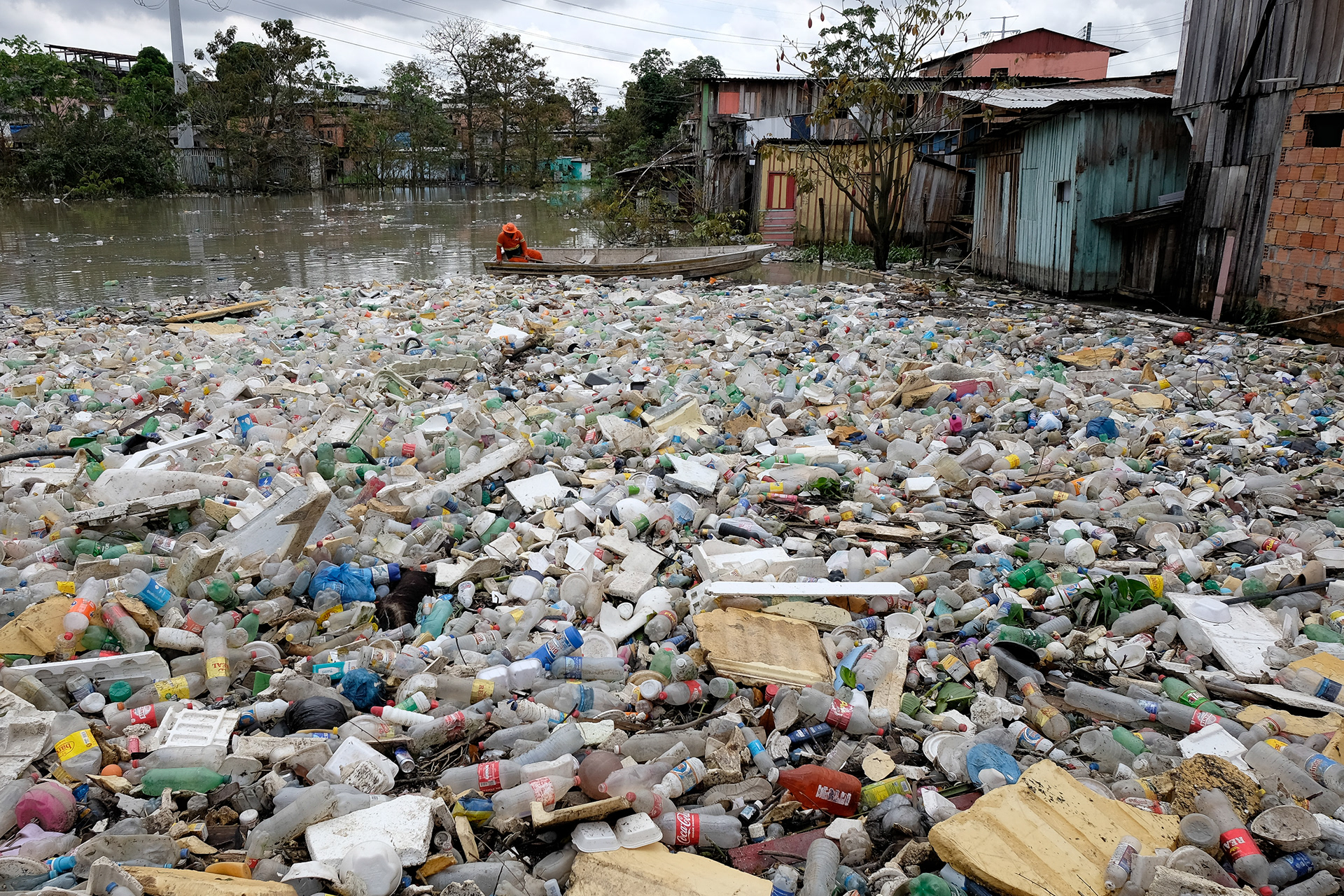
In June 2022 a carpet of garbage, seen in a stream that cuts through the São Jorge neighborhood in the city of Manaus, formed after heavy rains in the region. The work was done for the Reuters agency on World Environment Day, and won an honorable mention at Photography4Humanity that year, being exhibited at the UN headquarters in New York. Photo: Reuters/Suamy Beydoun
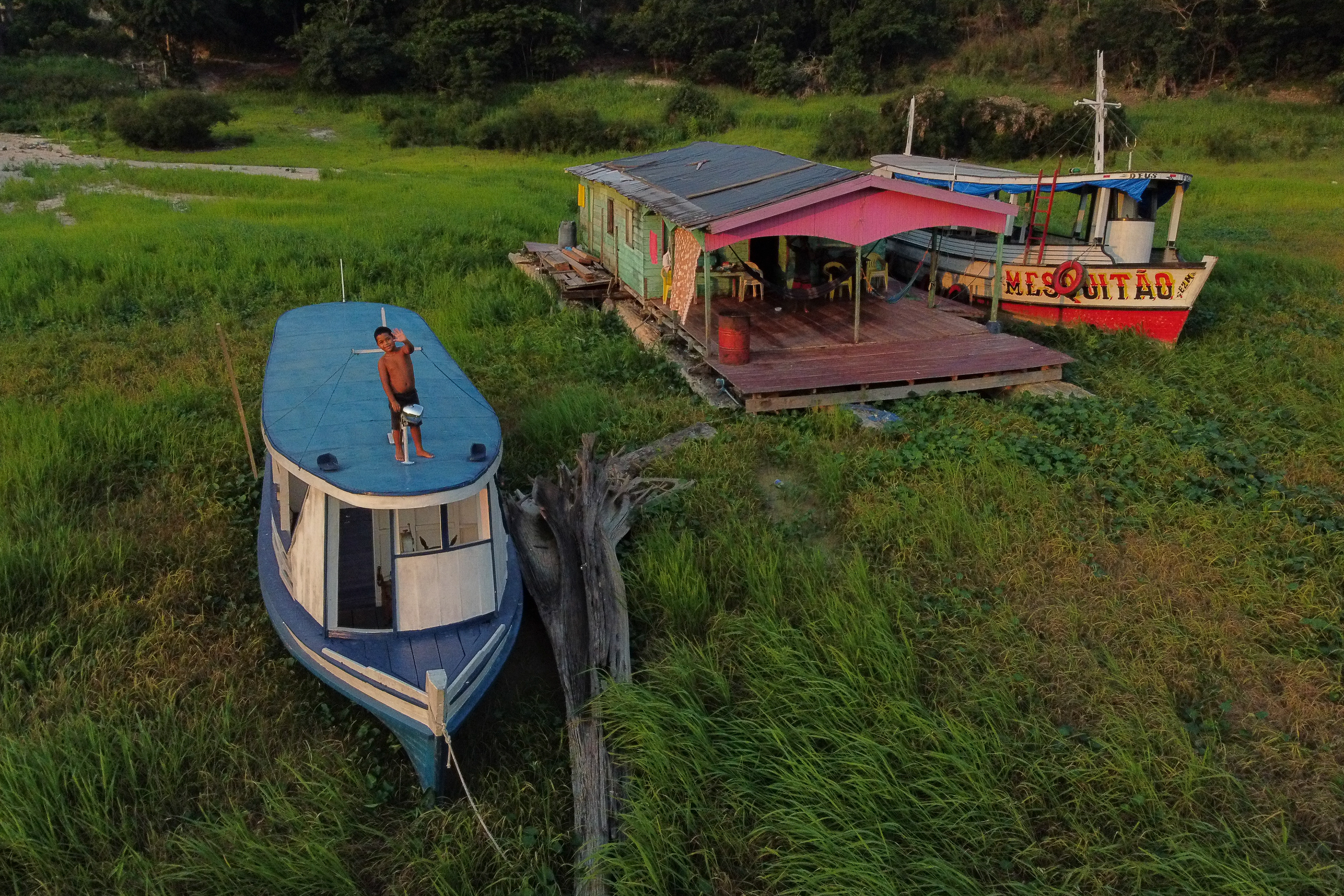
During the worst drought in over 100 years in the state of Amazonas in 2024, the image of a boy waving at a drone caught the attention. He was standing on a stranded boat next to a floating house that was also stuck due to the drought. The photo was a finalist in the 2025 edition of Photography4Humanity, one of the largest photography contests on climate issues today. Photo: AGIF/Suamy Beydoun
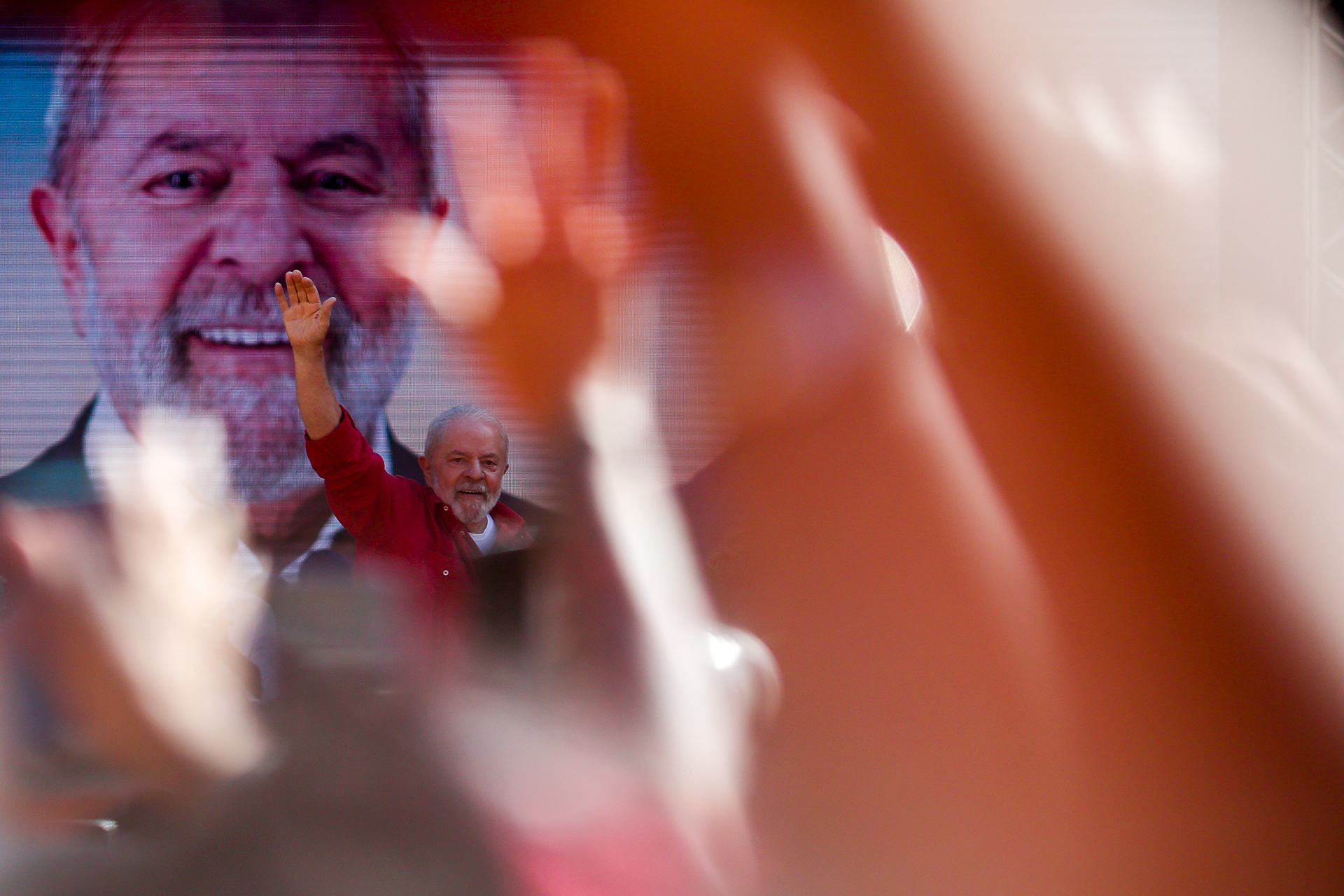
Former president Lula at a rally in the city of Diadema, in the greater São Paulo area, during the 2022 election campaign. Photo: Reuters/Suamy Beydoun
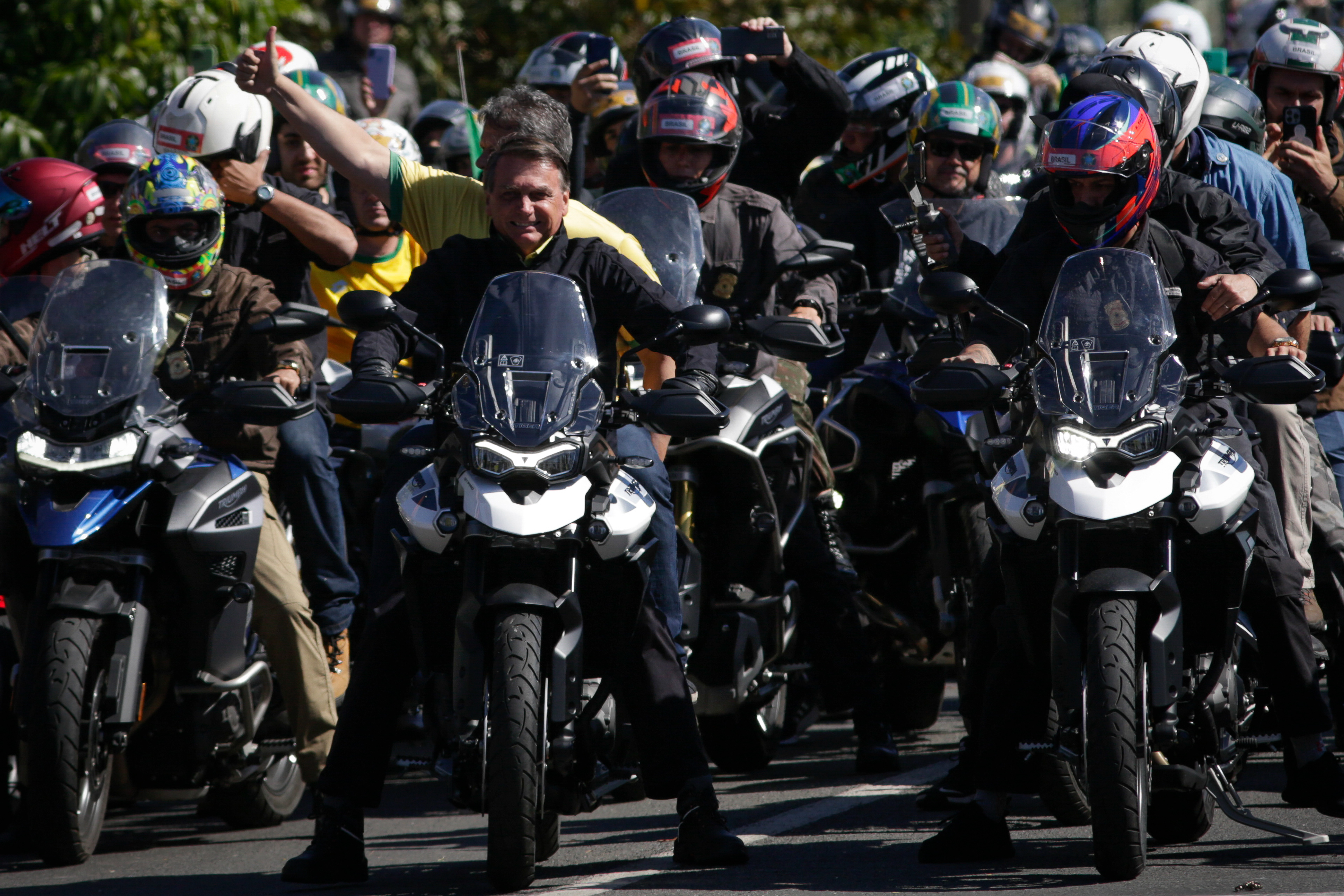
Then-President Jair Bolsonaro speaks after a motorcade with supporters in the city of Campinas, in the interior of São Paulo, in an attempt to be re-elected for another term in the 2022 presidential elections, in which he would lose to then-candidate Luiz Inácio Lula da Silva. Photo: Reuters/Suamy Beydoun
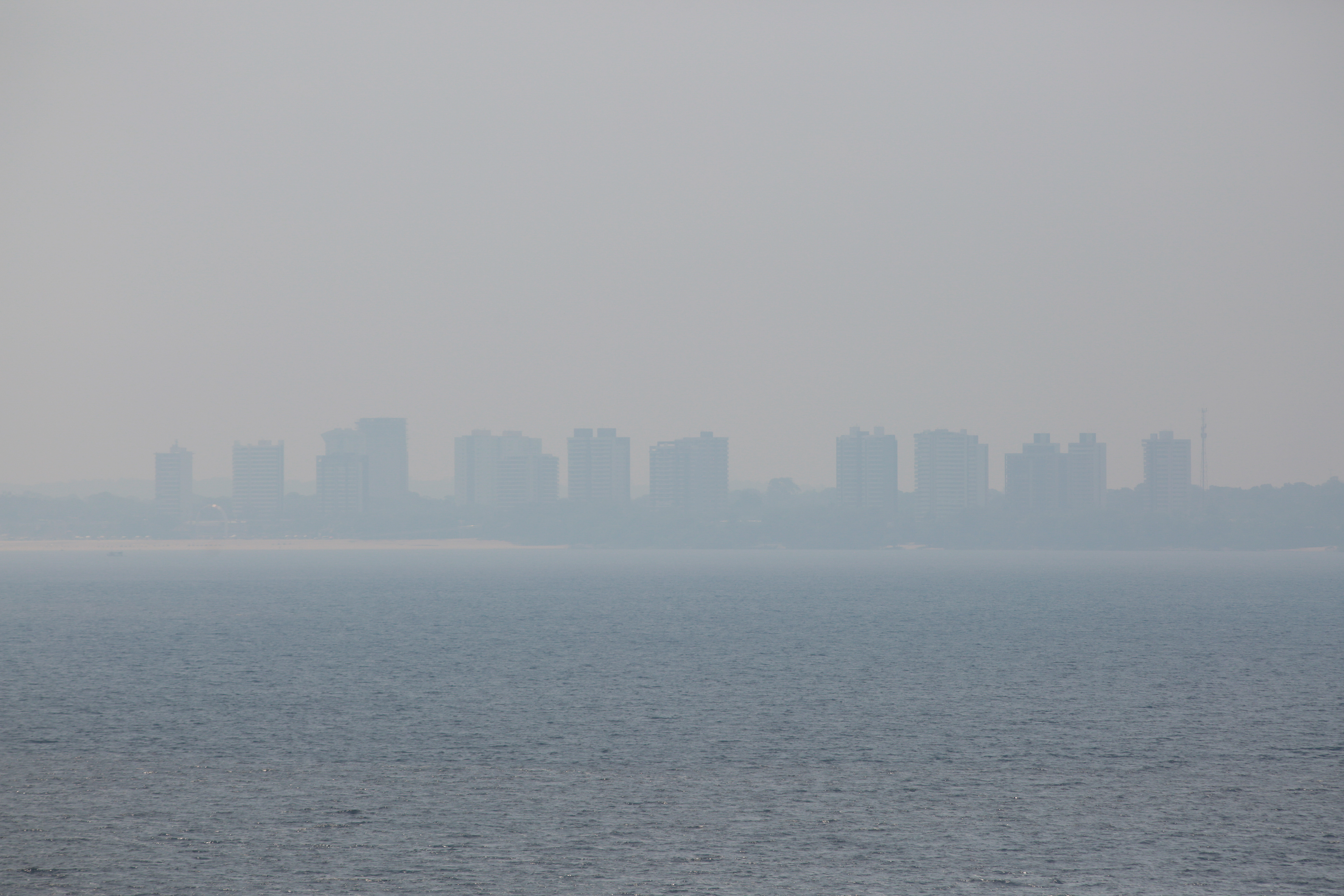
Buildings along the Ponta Negra beachfront covered by a thick layer of smoke in early August 2024. Smoke from Amazonian forest fires in the interior of the state began to invade the capital Manaus, with winds blowing toward the city causing concerns about naval and aerial visibility, health issues, and environmental impact. Photo: AFP/Suamy Beydoun
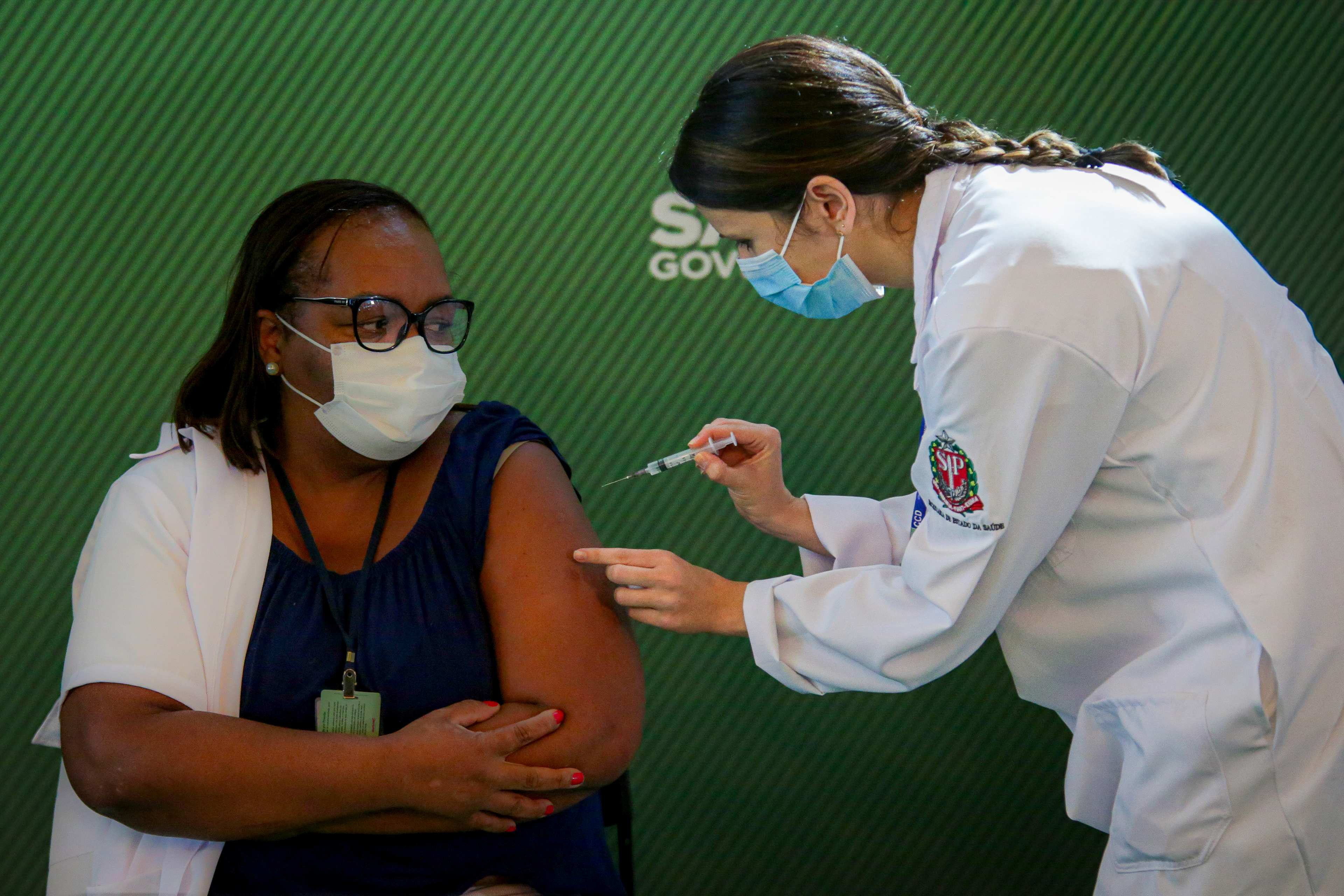
Monica Calazans, 54, a black woman living in Itaquera, in the eastern part of the city of São Paulo, and an ICU nurse at the Emílio Ribas Institute of Infectious Diseases, was the first Brazilian to be immunized with the Butantan vaccine against COVID-19 in the country. administered by master's degree nurse in Public Health Jéssica Pires de Camargo, 30, after ANVISA approved it for emergency use on January 17, 2021. Photo: AGIF/Suamy Beydoun
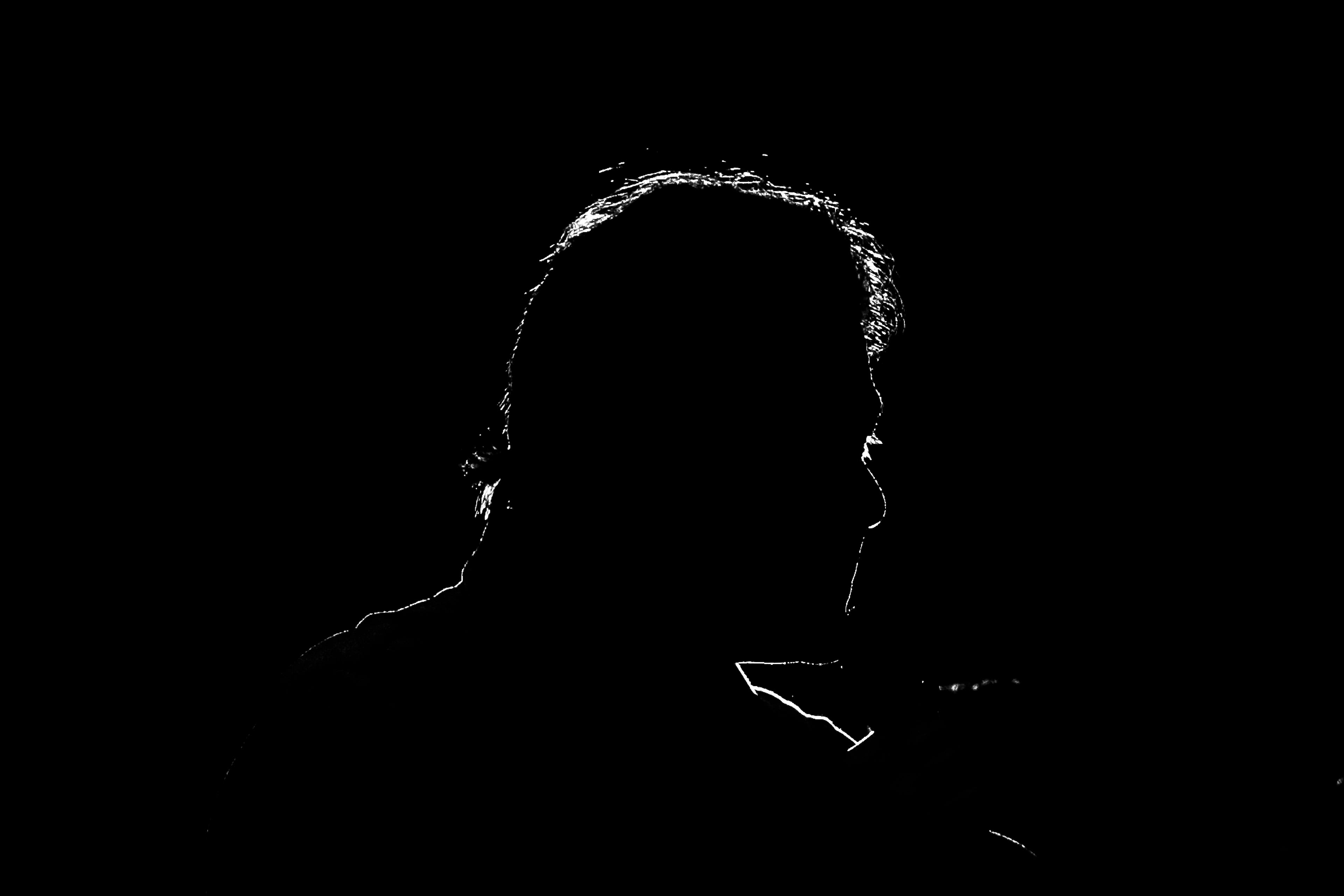
Silhouette of Fernando Haddad (PT), then candidate for governor of the state of São Paulo in the 2022 elections, during a plenary session with trade unions and social movements held at Casa de Portugal in August 2022 in downtown São Paulo. Fernando Haddad would later become one of the most important figures in the government of President-elect Luiz Inácio Lula da Silva, being appointed Minister of Finance, which in Brazil is equivalent to Minister of Economy. Photo: AGIF/Suamy Beydoun
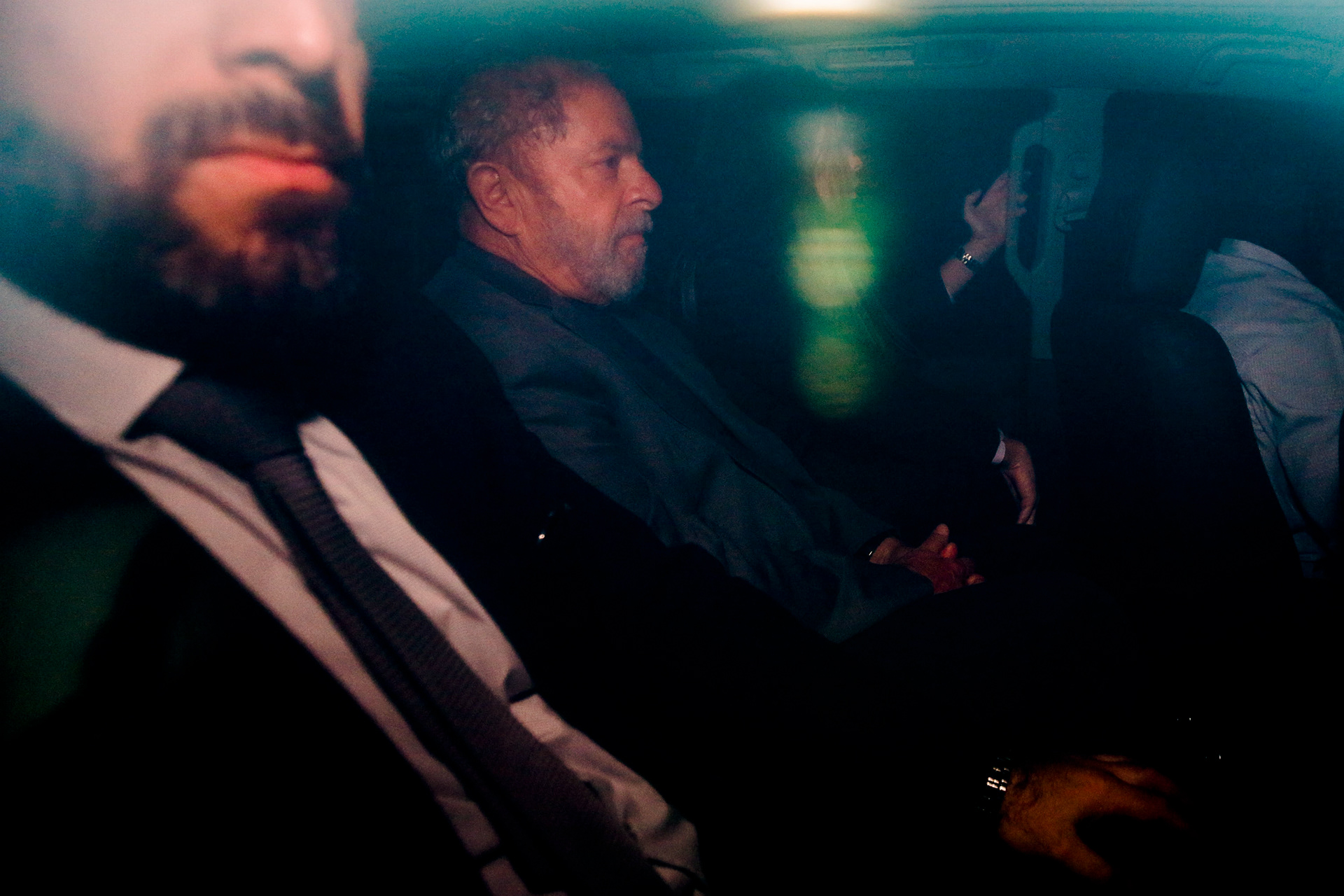
In a historic moment in Brazil, the arrest of then-former President Luiz Inácio Lula da Silva took place on April 7, 2018, after he surrendered to the Federal Police at the ABC Metalworkers' Union in São Bernardo do Campo. The photo, considered one of the most important ever taken in Brazilian political history, was taken when the former president arrived at the Federal Police headquarters in São Paulo, in the Lapa neighborhood, in the western part of the state capital, accompanied by an escort of eight cars and several federal agents. Photo: AGIF/Suamy Beydoun
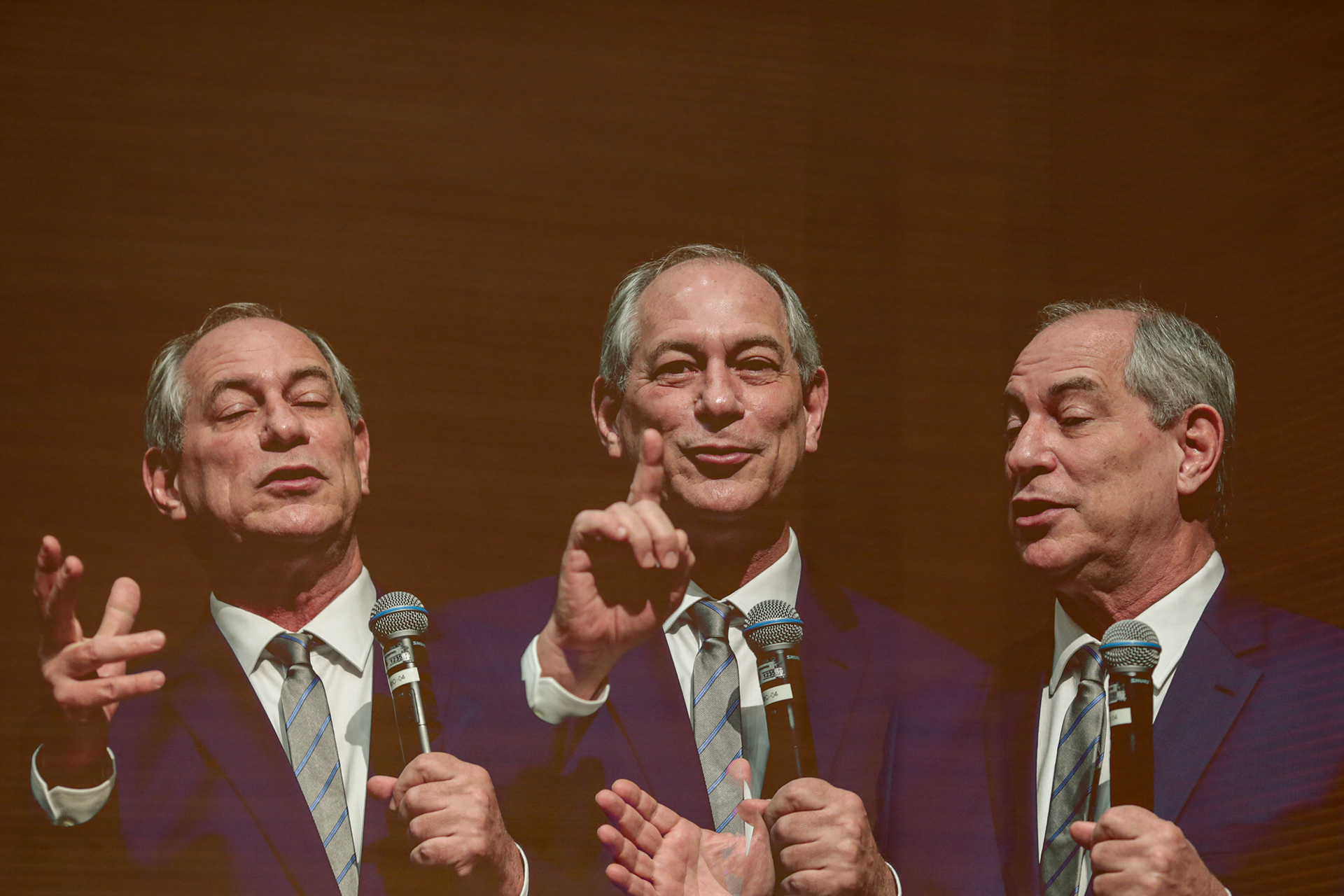
Ciro Gomes, then a candidate for the presidency of the Republic in the 2022 elections for the PDT party, during a meeting promoted by the Brazilian Bar Association (OAB) in São Paulo. The photo was taken using a multiple exposure technique with the camera's own system to show different moments of his body language during the lecture. Photo: AGIF/Suamy Beydoun
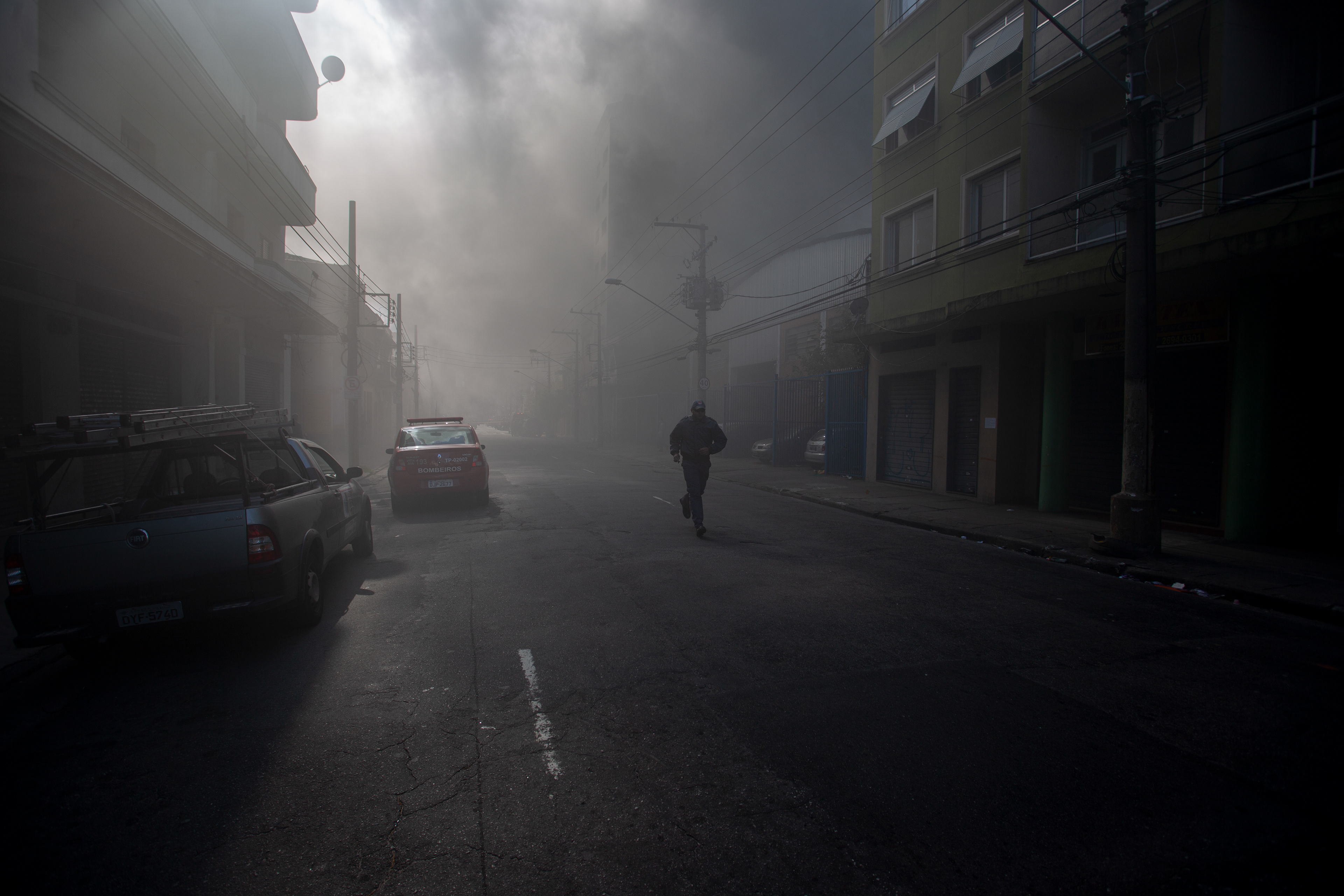
A military police officer runs alone down a smoke-filled street during a major fire in the Bresser Mooca neighbourhood of São Paulo in June 2016. Photo: FP/Suamy Beydoun
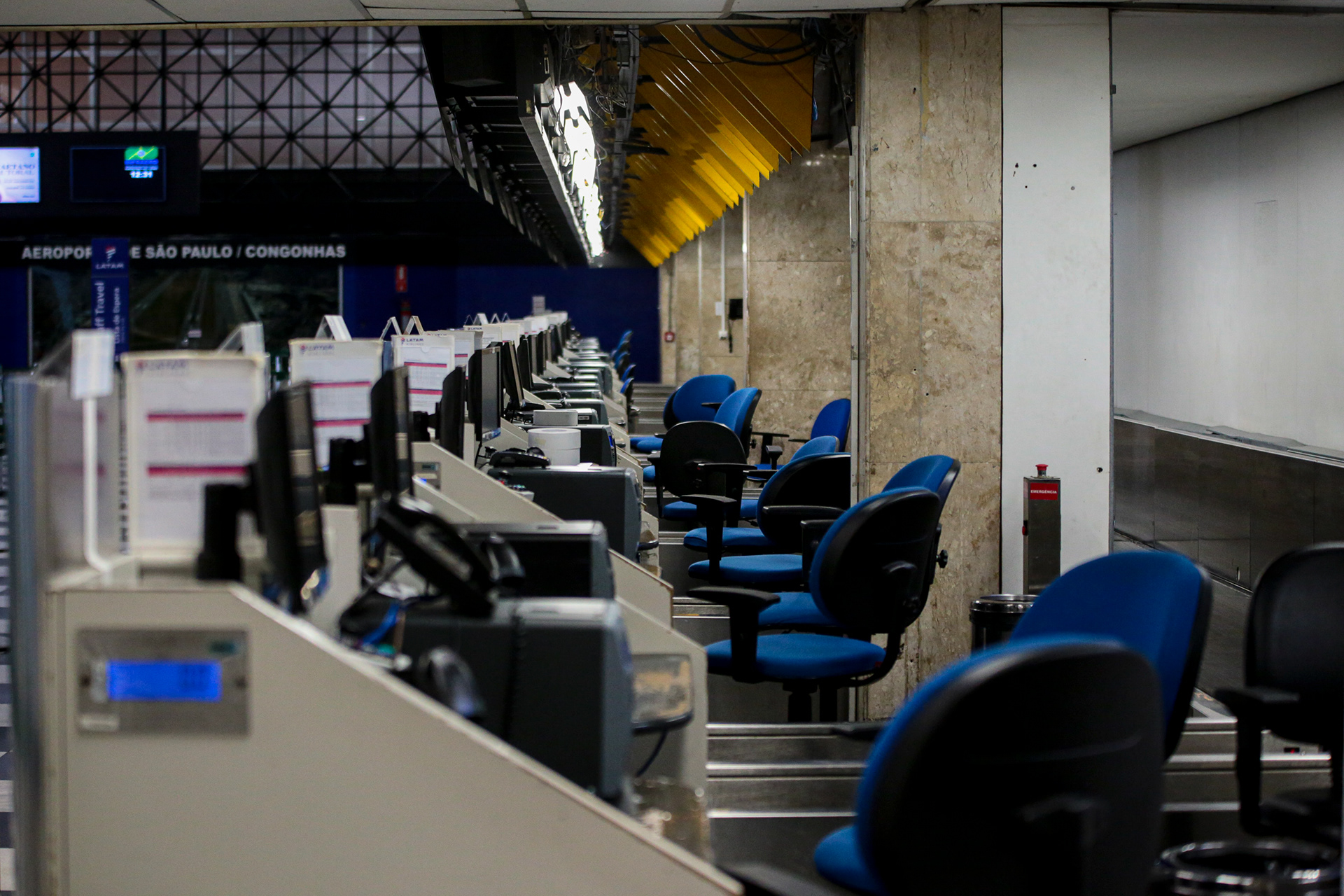
In 2020, during the COVID-19 pandemic, Congonhas Airport in São Paulo, one of Brazil's busiest airports, was completely deserted, with empty check-in counters and disorganised attendant chairs, as if they had been left in a hurry in a scene reminiscent of apocalyptic films. Photo: AGIF/Suamy Beydoun